By: Isatu Bai Kamara
Leadership, long associated with authority and status, is being reimagined as a force grounded in empathy, service, and purpose following the launch of A Different Kind of Power by Dr. Kadijatu Grace Kamara.
Deputy Minister of Foreign Affairs and International Cooperation, Francess Piagie Alghali, set the tone for this shift as keynote speaker, urging young people to move beyond ambition and instead pursue purpose driven by societal needs. She emphasized that true fulfillment lies at the intersection of personal passion and collective responsibility, describing purpose as a journey shaped through consistent action and engagement.
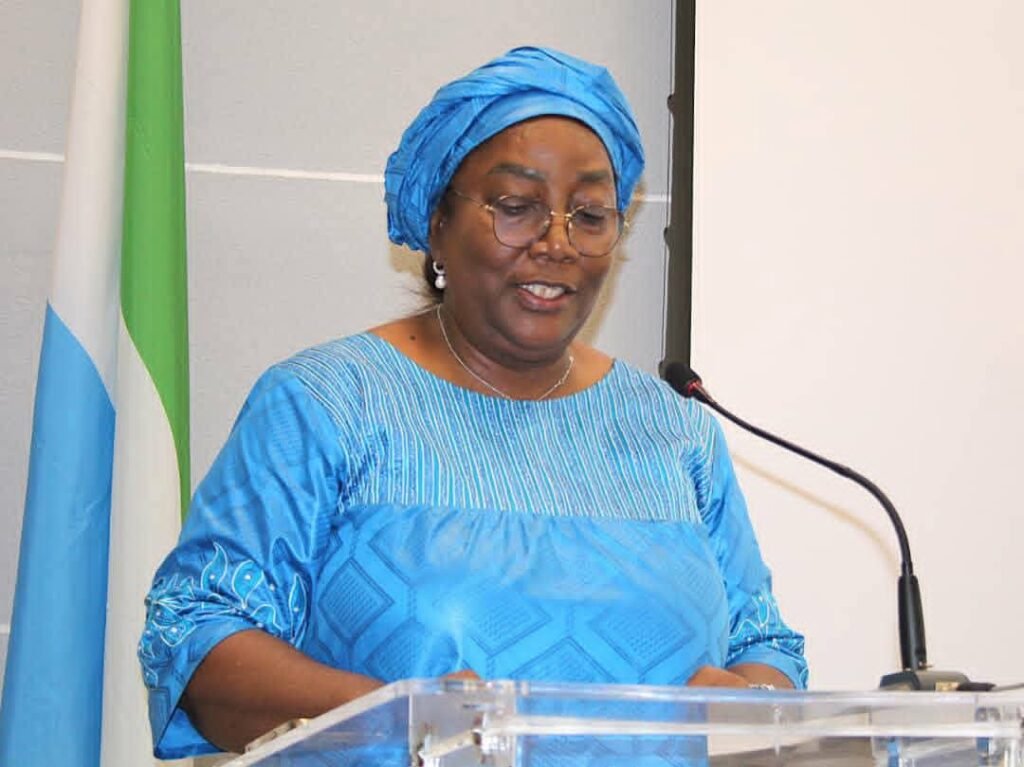
Highlighting the author’s multidimensional career, Alghali praised Kadijatu Grace Kamara for embodying purpose through creative arts, film, fashion, and literature. She noted that such experiences reflect how individuals can harness their talents to create meaningful societal impact.
The book challenges conventional definitions of leadership, presenting it not as positional authority but as the ability to inspire, guide, and serve others. According to Alghali, effective leadership demands courage, humility, and a commitment to prioritizing collective goals above personal gain. She outlined key principles including leading by example, transparent communication, and investing in people as the foundation of sustainable leadership.
Reinforcing this perspective, Josephine Kamara called for a shift toward “soft leadership,” criticizing performative displays of power and advocating for influence built on authenticity and quiet confidence. She argued that meaningful leadership is less about dominance and more about connection and impact.
In a goodwill message, Kandeh K. Yumkella described the book as a call to service and inclusivity, particularly relevant in addressing systemic challenges and advancing women’s leadership. He encouraged leaders to embrace reflection and integrity as essential tools for transformation.
Presenting her work, Kamara described A Different Kind of Power as a call to rethink leadership models by centering empathy, accountability, and unity. Drawing inspiration from African leadership traditions, including the legacy of Nelson Mandela, she emphasized that real influence lies in listening, healing, and inspiring rather than commanding.
Reviewer Teddy Musa commended the book as a timely contribution, noting its relevance for young leaders, policymakers, and societies navigating inequality and post-conflict recovery. He concluded that the work offers a practical and ethical roadmap for redefining leadership in contemporary contexts.
The event underscored a growing consensus: the future of leadership lies not in loud authority, but in purposeful, people-centered influence.