By Thaimu T Kamara
The Government of Sierra Leone, in collaboration with the United Nations Children’s Fund (UNICEF), has convened a national dialogue on child rights and Artificial Intelligence (AI), focusing on the opportunities, risks and responsibilities associated with children’s growing use of digital technology.
The dialogue was jointly organised by the Ministry of Gender and Children’s Affairs, the Ministry of Communication, Technology and Innovation, and the Ministry of Information and Civic Education, in collaboration with UNICEF.
The engagement brought together government officials, development partners and children to discuss how emerging technologies, particularly Artificial Intelligence, can be used to promote children’s rights, improve learning and create opportunities for their development while protecting them from potential online threats.
Delivering the opening remarks, UNICEF Representative in Sierra Leone, Ms. Mariko Kagoshima, described child rights as an issue of growing importance in today’s rapidly changing digital environment.
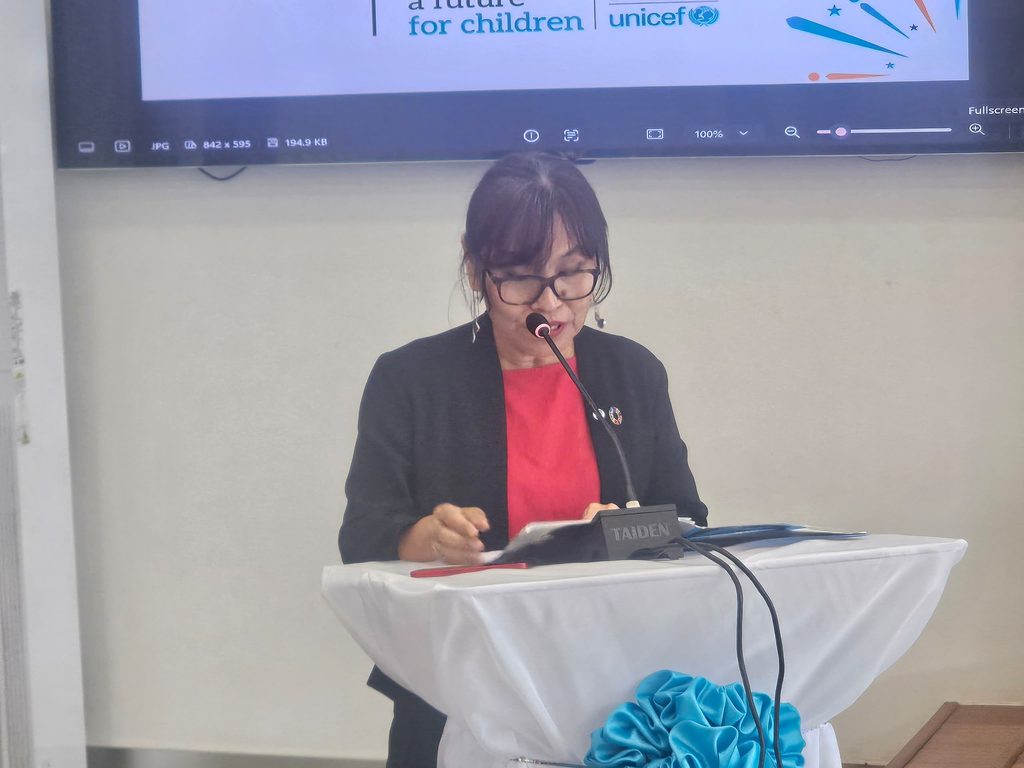
She highlighted the increasing role of Artificial Intelligence in children’s daily lives, particularly in classrooms, where students are increasingly exposed to AI-powered learning tools and digital platforms.
Kagoshima noted that AI has the potential to support education, improve access to information and assist in decision-making when properly managed and used responsibly.
She emphasised the importance of listening to children’s perspectives, noting that their contributions during the dialogue should extend beyond the event and help shape policies and programmes that directly affect their lives.
She encouraged children to actively participate in discussions, stressing that their experiences, ideas and recommendations could contribute significantly to the development of effective programmes and policies.
In her statement, the Minister of Gender and Children’s Affairs, Dr. Isata Mahoi, reaffirmed the Government’s commitment to ensuring that every child in Sierra Leone is protected and enjoys equal opportunities to learn, develop and participate in society.
She explained that digital learning was transforming how children acquire knowledge, interact with others and engage in civic activities, making it necessary for the country to strengthen its approach to child protection in the digital space.
The Minister noted that responsible use of technology and digital literacy could help children identify cyberbullying, misinformation and other forms of online abuse.
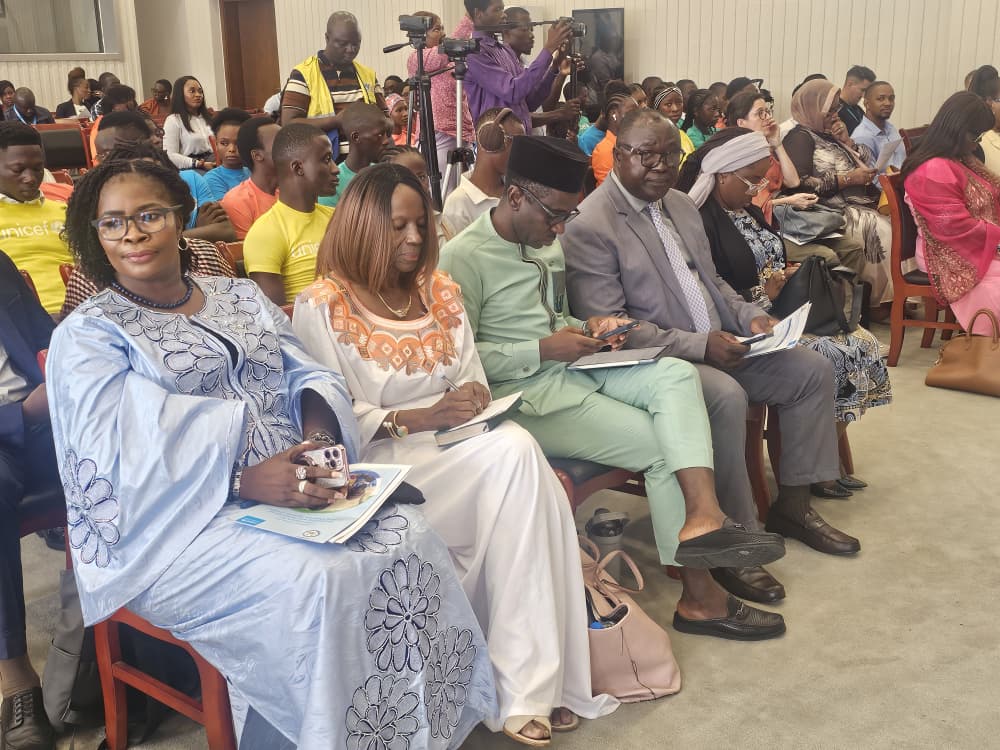
She described the national dialogue as an important opportunity to empower children with the knowledge and skills needed to navigate the digital world safely and confidently.
Dr. Mahoi encouraged children to embrace Artificial Intelligence as a learning tool but cautioned against using it for harmful or negative purposes.
She stressed that protecting children’s rights must remain the Government’s first priority, adding that advocacy, awareness-raising and appropriate safeguards were essential to ensuring that technology contributed positively to children’s development.
Also addressing the gathering, the Minister of Information and Civic Education, Chernor Bah, underscored the importance of recognising children’s rights and their role in shaping Sierra Leone’s digital future.
He encouraged children to explore the opportunities provided by Artificial Intelligence while maintaining professionalism, responsibility and critical thinking in their use of the technology.
The Minister emphasised that adults, institutions and Government have a responsibility to protect children from harmful information and guide them towards responsible digital engagement.
He cautioned young people against allowing Artificial Intelligence to replace their natural intelligence, creativity and independent thinking.
“Don’t allow AI to use your intelligence. Use it professionally and positively,” he advised.
He further stressed the need to equip children with the knowledge to distinguish between accurate information and misleading digital content, particularly as AI-generated information becomes increasingly accessible.
The United Nations Resident Coordinator in Sierra Leone, Ms. Seraphine Wakana, described the dialogue as an important opportunity to prepare children for a future in which Artificial Intelligence would become an increasingly significant part of everyday life.
She acknowledged that AI presented enormous opportunities for education, innovation and development but warned that its use must be properly managed to minimise potential risks.
Wakana emphasised that children must not be left behind in the digital transformation and that their rights, safety and wellbeing should remain central to all discussions surrounding technological advancement.
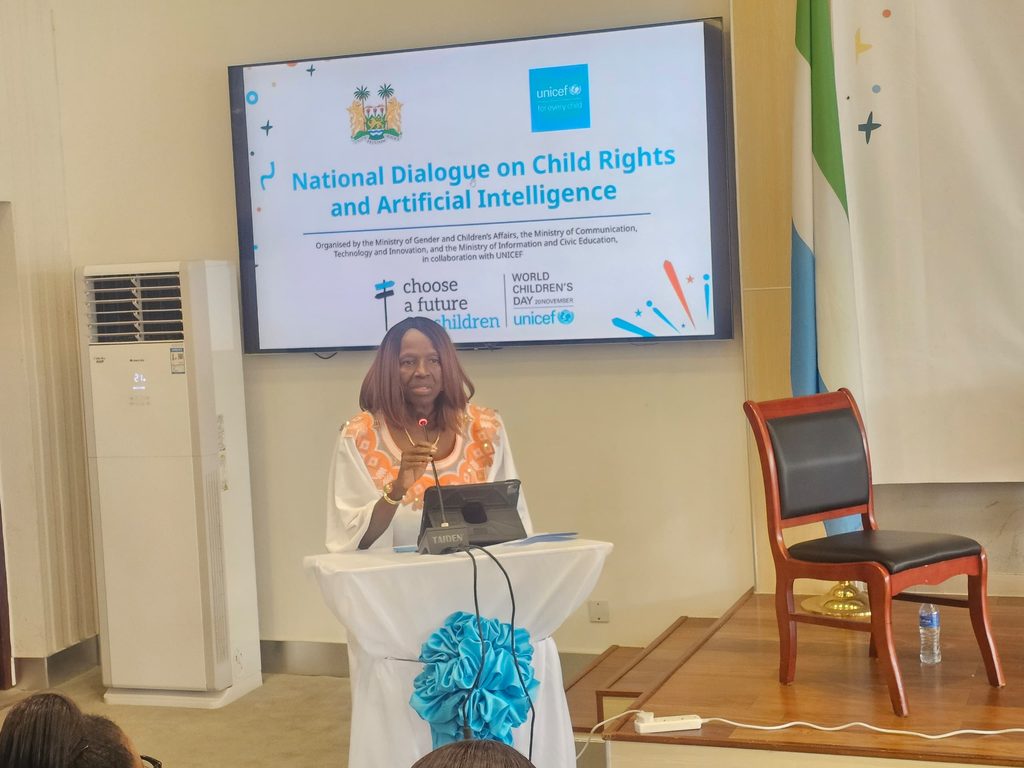
She noted that while AI could improve children’s access to learning and information, it could also expose them to online exploitation, harmful content, misinformation and other digital dangers if adequate protective measures were not put in place.
She therefore called for a child-centred approach to digital innovation, reminding stakeholders that children’s rights and safety must come before technological advancement.
Delivering the keynote address, the Minister of Planning and Economic Development, Madam Kenyeh Barlay, highlighted the importance of Artificial Intelligence in shaping the future of education, innovation and national development.
She noted that technology should serve as a tool for expanding children’s opportunities, improving their knowledge and equipping them with the skills required to compete in an increasingly digital world.
However, she acknowledged that Artificial Intelligence presented both opportunities and risks, making responsible use, proper guidance and adequate protection essential.
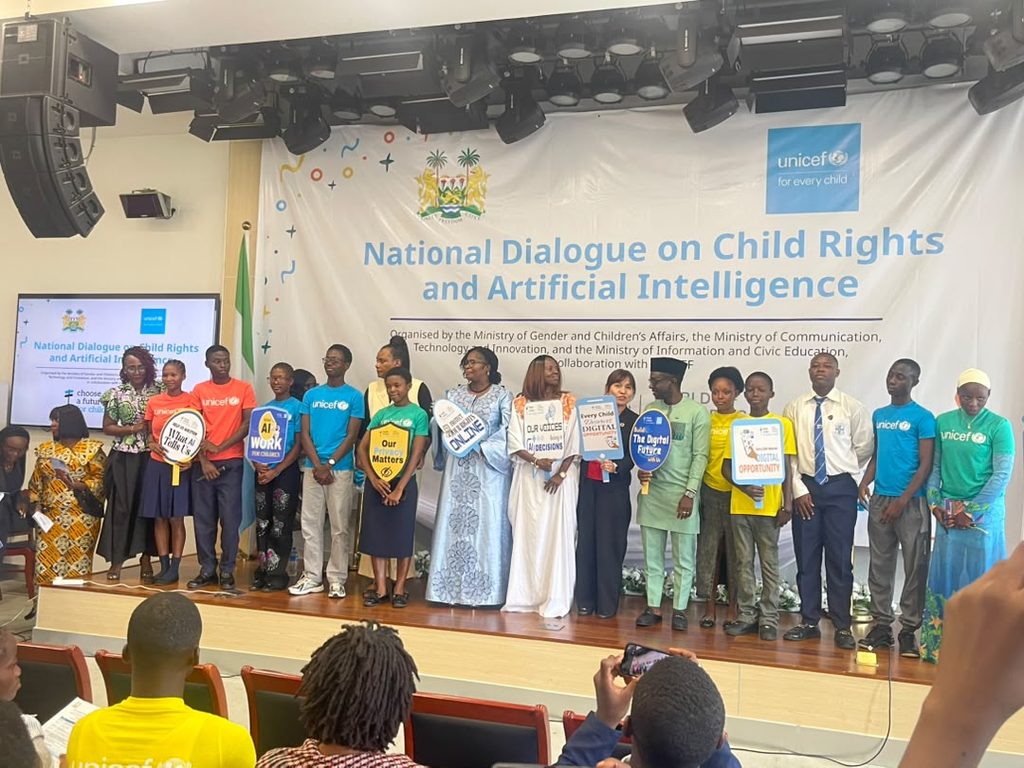
Madam Barlay called on relevant ministries and stakeholders to work together to promote AI education in schools, stressing the importance of introducing children to emerging technologies in ways that encourage creativity, innovation and responsible digital citizenship.
She emphasised that integrating AI awareness and digital literacy into the education system would help prepare young people for future employment opportunities and participation in the global digital economy.
The national dialogue highlights the growing recognition that children must be active participants in discussions about technologies that increasingly influence their education, social interactions and future opportunities.
It also reinforces the need for Government, development partners, parents, teachers and other stakeholders to work collectively to ensure that Artificial Intelligence becomes a tool for empowering children rather than exposing them to harm.
As Sierra Leone advances its digital transformation agenda, stakeholders stressed that protecting children’s rights, promoting digital literacy and ensuring equal access to technological opportunities must remain central to national development efforts.